The Power of Order: Why Home Organization Matters
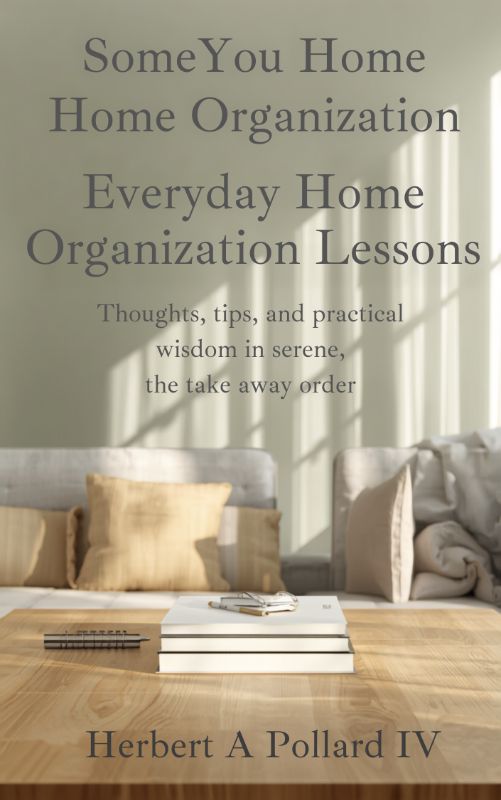
In a world defined by relentless pace and constant change, our homes remain the one space where we can exert meaningful control. The state of our living environments profoundly influences our emotional well-being, productivity, and relationships. Yet, amid the clutter of daily life—physical, digital, and mental—many people underestimate the transformative potential of a thoughtfully organized home. This book, Everyday Home Organization Lessons, is designed to empower you to reclaim your space, instill lasting order, and cultivate a sanctuary that supports every dimension of your life.
Home organization is more than a superficial pursuit of tidiness. It is a deliberate act of self-care, a discipline rooted in intentionality, and a practical response to the complexities of modern living. When practiced as a habit, not a one-time event, organization becomes an engine for clarity, calm, and creativity. It is both art and science, blending aesthetic intuition with proven systems. This introduction will lay the foundation for the journey ahead, offering the motivation, context, and mindset essential for meaningful, enduring change.
The Hidden Costs of Clutter
Before diving into action, it is vital to understand the tangible and intangible costs of disorganization. Clutter is not just an eyesore; it is a silent thief, robbing us of time, energy, and peace. The average person spends several hours each week searching for misplaced items—be it keys, paperwork, clothing, or tools. This lost time adds up, eroding productivity and amplifying daily frustrations.
But the impact extends further. Studies reveal that cluttered environments can increase levels of the stress hormone cortisol, undermine focus, and even contribute to feelings of shame or helplessness. In relationships, disorganization can spark conflict, especially when shared spaces are involved. Children raised in chaotic homes may struggle to develop organizational skills, perpetuating cycles of disorder into adulthood.
Financial consequences are also common. Missed bills, redundant purchases, and expired goods all stem from a lack of systematic organization. At its core, clutter is deferred decision-making—a physical manifestation of procrastination and emotional overwhelm. Recognizing these costs is the first step toward reclaiming authority over your environment.
Organization as a Skill, Not a Trait
A persistent myth is that some people are simply "born organized," while others are destined to live with chaos. In reality, organization is a skill set, shaped by learning, practice, and adaptability. Like any other discipline—cooking, writing, or athletics—it can be cultivated by anyone, regardless of background or personality type.
This book will guide you through actionable techniques and principles that demystify the process. Whether you are a meticulous perfectionist seeking efficiency or someone who has long struggled with disorder, the lessons within are adaptable to your unique needs and circumstances.
Key to this journey is a shift from guilt-driven "shoulds" to values-driven "wants." The most sustainable systems are those that resonate with your lifestyle, not those imposed by trends or external expectations. Throughout the chapters, you will learn to approach organization not as a rigid set of rules but as a flexible toolkit, customizable for every season of life.
Why Everyday Organization?
The title Everyday Home Organization Lessons is intentional. Organization is not a one-time purge or a seasonal ritual reserved for spring cleaning. It is a daily practice, integrated into routines and reinforced by small, consistent actions. Just as fitness is maintained through regular movement rather than extreme workouts, a harmonious home is achieved through attention to ordinary moments—the shoes by the door, the stack of mail, the arrangement of pantry staples.
This book is structured to meet you where you are. Each chapter addresses a specific domain—entryways, kitchens, bedrooms, closets, digital spaces, and more—while reinforcing universal principles that apply throughout the home. You will find a blend of philosophy and pragmatism, inspiration and instruction, all designed to foster gradual, sustainable progress.
The Science of Habit Formation
Why do so many organizational efforts start strong and then fizzle? The answer lies in the science of habit formation. Research shows that willpower is a finite resource. Relying solely on motivation or bursts of energy inevitably leads to burnout. Instead, lasting change is built on the foundation of small, repeatable behaviors—micro-habits—that become automatic over time.
For example, the act of always returning your keys to the same hook or immediately sorting mail as it arrives may seem trivial. Yet, these habits prevent the build-up of chaos and eliminate the "decision fatigue" that drains mental resources. This book will teach you to identify keystone habits—those simple routines that create a ripple effect of order throughout your environment. By focusing on process, not perfection, you will develop systems that endure even when life gets busy.
Mindset: From Perfectionism to Progress
A major barrier to organization is the all-or-nothing mindset. Many people believe that unless every drawer is immaculate and every surface spotless, they have failed. This perfectionism is both unrealistic and counterproductive. True organization is not about achieving a magazine-worthy home but about creating a space that functions for you.
Embrace the philosophy of progress over perfection. Allow yourself to start small—one drawer, one shelf, one corner. Celebrate incremental wins and learn from setbacks. Each chapter will include practical exercises to help you pause, reflect, and recalibrate. Remember, the goal is not to impress visitors but to support your own well-being and growth.
The Emotional Landscape of Letting Go
Decluttering and organizing are inherently emotional acts. Objects accumulate not just because of laziness or neglect, but because they carry memories, aspirations, and sometimes even guilt. Parting with sentimental items, gifts, or "someday" supplies can trigger anxiety or sadness.
This book will guide you through the emotional terrain of letting go, offering compassionate frameworks for decision-making. You’ll learn to distinguish between true treasures and weighty obligations, to honor your past without allowing it to dictate your present. By reframing the act of letting go as an act of self-respect, you can release the grip of clutter without regret.
Organization for All Life Stages
No two homes are alike. The needs of a young professional in a city apartment differ from those of a growing family or a retiree downsizing for a new chapter. Life changes—marriage, parenthood, career shifts, illness, or grief—often require a reimagining of space and routine.
This book recognizes the diversity of home life. Each chapter offers adaptable strategies for various living situations, acknowledging the constraints and opportunities unique to different stages. Whether you are organizing for children, integrating shared spaces with roommates, or preparing for aging in place, you will find guidance tailored to your reality.
Sustainability and Responsible Consumption
A well-organized home is inherently sustainable. When we know what we own and where it belongs, we reduce waste, avoid unnecessary purchases, and make more conscious choices. Organization supports responsible consumption, encouraging us to value quality over quantity and to find joy in enough rather than excess.
Throughout this book, you will learn to create systems that are not only efficient but also eco-friendly. From reusing storage containers to mindful donation practices, every lesson incorporates a lens of environmental stewardship. The result is an approach to order that benefits not just our households, but the broader world.
How to Use This Book
Everyday Home Organization Lessons is designed as a flexible companion. While you may read it cover to cover, you can also dip into the chapters most relevant to your current challenges. Each chapter concludes with a summary and action steps to translate insight into immediate progress.
Tip: Keep a notebook or digital journal as you work through the lessons. Document your goals, observations, and breakthroughs. Reflecting on your journey will reinforce your growth and help you troubleshoot obstacles.
Do not rush. Sustainable change is gradual. Give yourself permission to move at your own pace, revisiting chapters as your needs evolve. The goal is a living, breathing home that adapts with you.
The Journey Ahead
By embarking on this journey, you are choosing to invest in yourself and those you share your home with. The lessons in this book are grounded in research, real-world experience, and a deep belief in the transformational power of order. You will discover how small, sustained changes can yield profound results—freeing time, reducing stress, and enriching your daily life.
In the pages that follow, you will learn not only how to organize but why it matters, how to overcome resistance, and how to create systems that truly last. Whether you seek peace of mind, greater efficiency, or simply a more beautiful space, you will find the tools and encouragement you need.
Let us begin the journey to a calmer, more intentional, and more joyful home—one lesson at a time.