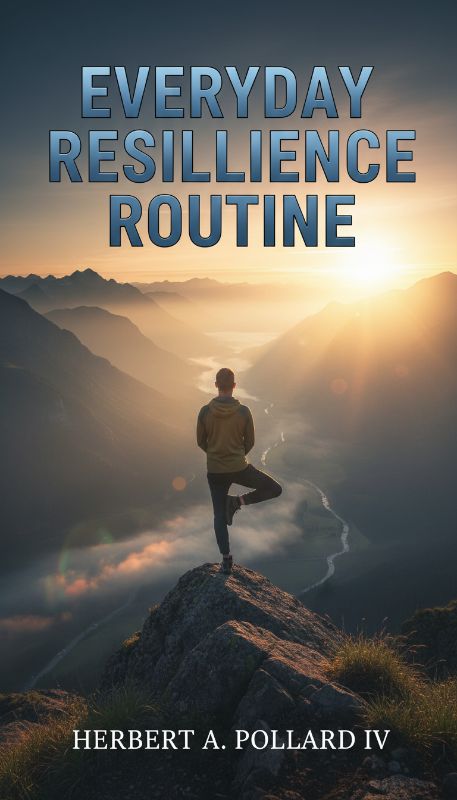
Resilience is a word we often hear but seldom stop to examine. For many, it conjures images of heroic comebacks, dramatic recoveries, or people weathering extraordinary hardship. Yet, resilience is not reserved for the rare or the remarkable. It is, in truth, a vital life skill woven into the fabric of daily existence—a renewable resource at the very heart of our ability to adapt, recover, and thrive. In a world that is increasingly unpredictable and complex, the capacity for resilience is more valuable than ever. What if you could nurture this capacity, not just in moments of crisis, but every single day? That is the promise and purpose of this book: to make resilience practical, habitual, and accessible through an everyday routine.
The Myth and Reality of Resilience
There is a persistent myth that resilience is an innate trait—something you either have or don’t. This myth can be both comforting and discouraging, depending on which side you believe yourself to be. But research in psychology, neuroscience, and human development tells a different story. Resilience is not a fixed trait; it is a learned set of behaviors, attitudes, and skills. It is shaped by our choices, our environments, and our willingness to engage with discomfort, uncertainty, and change.
Everyday Resilience is less about extraordinary feats and more about the small, consistent actions that strengthen our mental and emotional muscles. It is about learning to bend without breaking, to persist when things get tough, and to find meaning and growth in the ordinary challenges of life. The aim of this book is to demystify resilience, break it down into actionable steps, and help you build routines that turn this abstract quality into a tangible daily practice.
Why an Everyday Routine?
Routine is the skeleton upon which the body of our daily lives is built. Our habits, rituals, and recurring choices determine the rhythm and quality of our existence far more than our intentions or resolutions. By embedding resilience-building practices into your daily routine, you ensure that you are not merely reacting to adversity but preparing for it—in advance, and in ways that fortify your mind, body, and spirit.
An Everyday Resilience Routine is not about adding more to a crowded schedule; it is about making subtle but powerful shifts. It is about integrating brief moments of reflection, small acts of courage, and daily exercises that gradually rewire your approach to stress, setbacks, and uncertainty. Through repetition and conscious attention, these habits accumulate, creating a deep reservoir of inner strength you can draw upon whenever life tests your limits.
The Need for Resilience Now
Why does resilience matter so much today? Our world is in the midst of relentless change—technological, social, economic, and environmental. The pace of information, the pressures of work and family, and the uncertainties of global events can leave us feeling overwhelmed and depleted. The COVID-19 pandemic, climate change, economic disruptions, and the evolving nature of relationships have all made resilience a critical competency.
But resilience is not only about surviving the big shocks. It is about navigating the small, everyday stressors that quietly erode our well-being—an argument with a loved one, disappointment at work, financial worries, or the persistent hum of anxiety about the future. These daily challenges may seem minor in isolation, but over time, they can accumulate and wear us down. An everyday resilience routine helps inoculate us against this gradual erosion, allowing us to maintain our equilibrium, sense of purpose, and optimism.
What to Expect from This Book
This book is divided into chapters that each focus on a core component of resilience. Each chapter is designed to be both informative and practical, blending insights from science, stories from real lives, and exercises you can implement immediately. You will learn:
How to cultivate a growth mindset and reframe setbacks as opportunities.
The importance of self-care and how to tailor it to your own needs.
Techniques for building emotional awareness and managing difficult feelings.
Strategies for developing mental flexibility and adapting to change.
The role of connection and community in sustaining resilience.
Practical tools for enhancing focus, optimism, and gratitude.
How to set boundaries, say no, and protect your energy.
Ways to build physical resilience through movement, nutrition, and rest.
Methods for transforming stress into fuel for growth.
Exercises for reinforcing habits and celebrating progress.
At the end of each chapter, you will find actionable routines, reflection prompts, and practical challenges designed to help you apply what you’ve learned—not someday, but today.
Who Is This Book For?
This book is for anyone who wants to feel more grounded, confident, and capable in the face of everyday adversity. Whether you are a student navigating academic pressures, a professional juggling work and family demands, a caregiver facing ongoing challenges, or simply someone striving for greater well-being, you will find tools here to help you thrive. You do not need to be at a crisis point to benefit. In fact, the best time to build resilience is before you need it, when you can do so with intention and curiosity, rather than desperation.
The Science of Change
Before we begin, let’s acknowledge a simple truth: Change is hard. Our brains are wired to favor familiarity and routine, even when those routines do not serve us well. This is why so many attempts at self-improvement falter—because we underestimate the inertia of our own habits and the subtle resistance of our own minds.
But science offers hope. Neuroplasticity—the brain’s ability to rewire itself in response to experience—means that every new action, thought, or attitude has the potential to create lasting change. By repeating small acts of resilience daily, you not only strengthen your psychological muscles but also reconfigure your neural pathways, making resilience more automatic and less effortful over time.
Tip: Start small. Focus on consistency rather than intensity. Progress is made not by occasional leaps, but by steady steps.
The Guiding Principles
Throughout this book, we will return to several guiding principles that underpin the everyday resilience routine:
Self-Compassion: Treat yourself with the same kindness you would extend to a good friend.
Curiosity Over Judgment: Approach challenges with a sense of curiosity, rather than harsh self-criticism.
Progress, Not Perfection: Aim for improvement, not flawlessness.
Connection: Recognize that resilience is often a team effort, strengthened by community and support.
Adaptability: Be willing to experiment, iterate, and adjust your routine as needed.
Setting Your Intentions
Before we dive into the routines and strategies, take a moment to reflect on your own intentions for this journey. Ask yourself:
What does resilience mean to me?
In what areas of my life do I feel most resilient? Least resilient?
What do I hope to gain from developing an everyday resilience routine?
Write your answers down or keep them in mind as you work through the chapters ahead. These intentions will serve as a north star, guiding you back to your purpose whenever motivation wanes or obstacles arise.
How to Use This Book
This is not a book to be read and set aside. It is a workbook, a companion, and a guide. Take your time with each chapter. Reflect on the questions. Try the exercises. Notice what works for you, and what doesn’t. Give yourself permission to adapt the routines to fit your unique life circumstances. Remember, resilience is personal—there is no one-size-fits-all solution.
You can read the chapters in order, or skip ahead to the topics that resonate most. Return to the material as often as you need. Share the exercises with family, friends, or colleagues. The more you engage with the material, the more benefit you will derive.
A Note on Struggle and Hope
Finally, it is essential to acknowledge that everyone struggles. No one is immune to adversity, disappointment, or pain. If you find yourself in a particularly difficult season, know that you are not alone. Resilience is not about erasing struggle, but about finding ways to move through it with greater wisdom, strength, and hope.
The tools in this book are grounded in evidence and practice, but they are not a substitute for professional help when it is needed. If you are experiencing significant distress, depression, or anxiety, please seek the support of a qualified mental health professional.
Moving Forward
Resilience is not a destination, but a lifelong journey. By choosing to develop an everyday resilience routine, you are investing in your capacity to face whatever life brings with courage, creativity, and compassion. The chapters ahead will equip you with the knowledge, skills, and daily practices to make resilience a living, breathing part of your life.
Let’s begin this journey together—one day, one practice, one resilient step at a time.