Confidence is one of the most universally admired—and yet misunderstood—qualities in human life. It is the invisible force that propels people to pursue their dreams, to stand up for what they believe in, and to navigate challenges with resilience and grace. In a world that often feels overwhelming, uncertain, or even intimidating, confidence acts as both shield and compass, guiding us through storms and toward brighter horizons.
But what is confidence truly? Is it the loud assurance of a public speaker, the calm poise of a surgeon, or the quiet determination of someone learning to walk again after an injury? Is it a trait we are born with, or is it a skill we can cultivate, nurture, and master over time?
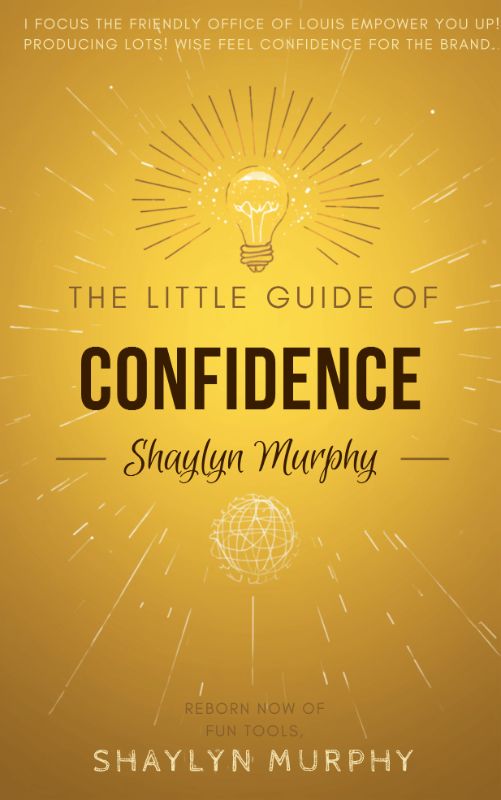
In The Little Guide of Confidence, we will journey together through the many dimensions of confidence—its origins, its obstacles, and, most importantly, the practical steps anyone can take to strengthen it. Whether you are a student preparing for exams, a professional seeking advancement, an artist longing for an audience, or someone simply striving for greater self-acceptance, this book is written for you.
The Universal Need for Confidence
From the earliest moments of our lives, confidence—or the lack thereof—shapes our experiences. The toddler who takes their first tentative steps, the child who raises their hand in class, the adolescent who tries out for a sports team: each moment is a microcosm of a lifelong journey toward self-assurance.
Confidence is not arrogance, nor is it the absence of self-doubt. It is, at its core, a belief in one’s ability to meet the moment. This belief is crucial because it colors how we interpret challenges, how we relate to others, and how we recover from setbacks. A confident person does not claim to know everything or to be invulnerable; rather, they trust in their capacity to learn, adapt, and grow.
Consider these foundational truths about confidence:
Confidence is context-dependent: You may feel secure in your professional expertise but uncertain in social situations, or vice versa.
Confidence is dynamic: It evolves with experience and can rise or fall depending on circumstances, feedback, and self-reflection.
Confidence is built, not bestowed: It is developed through effort, practice, and a willingness to face discomfort.
Understanding these truths is the first step toward unlocking your potential.
The Myths and Realities of Confidence
Many myths surround confidence, and these misconceptions can be obstacles on the path to self-assurance. Let’s address some of the most pervasive:
Myth 1: Confidence is innate.While personality traits can influence how easily someone appears confident, research shows that confidence is largely learned. Through small successes, supportive environments, and deliberate practice, anyone can increase their confidence.
Myth 2: Confidence means never doubting yourself.Self-doubt is natural and even healthy. It can prompt reflection, preparation, and humility. The key is not to eliminate doubt, but to prevent it from paralyzing action.
Myth 3: Confident people are always extroverted.Confidence does not require extroversion. Introverts can be deeply confident, drawing strength from reflection, preparation, and inner conviction.
Myth 4: Confidence is about being the best.True confidence is not comparative. It is not about being better than others, but about being at peace with who you are and what you can do.
By dispelling these myths, we clear the path for a more grounded, authentic understanding of what it means to be confident.
Why Confidence Matters
The impact of confidence extends far beyond personal fulfillment. It affects relationships, career trajectories, creativity, health, and even the broader communities in which we live. Here are just a few ways confidence shapes our lives:
Decision-Making: Confident individuals are more likely to make decisive choices, rather than deferring endlessly or letting others decide for them.
Resilience: Confidence acts as a buffer against setbacks. When things go wrong, those with self-assurance are better equipped to recover and try again.
Performance: Numerous studies show a strong correlation between self-confidence and achievement in academics, sports, business, and the arts.
Well-being: Confidence is linked to lower levels of stress and anxiety, greater satisfaction, and improved mental health.
Tip: Reflect on a time when your confidence helped you overcome a challenge. Write down what you did, how you felt, and what you learned. Refer back to this memory when you need a boost.
The Cost of Low Confidence
Just as confidence uplifts, a lack of it can be quietly corrosive. Low confidence can manifest as chronic self-doubt, avoidance of new opportunities, fear of failure, or reluctance to express opinions. Over time, it may lead to missed chances, strained relationships, and a diminished sense of self-worth.
The good news is that confidence can be rebuilt—sometimes stronger than before—through intentional action, mindset shifts, and compassionate self-examination.
A Roadmap for This Guide
In the pages that follow, you will find a step-by-step journey rather than quick fixes or hollow platitudes. Each chapter explores a different aspect of confidence, blending psychological insight, real-world examples, and practical exercises. Here’s a glimpse of what’s ahead:
The psychology and science of confidence—what happens in the brain, and why our beliefs matter.
How to silence your inner critic and reframe negative self-talk.
The role of body language in projecting and reinforcing confidence.
Tools for overcoming social anxiety and building authentic connections.
Strategies for handling failure, rejection, and setbacks with grace.
Techniques for setting goals, embracing challenges, and celebrating progress.
Ways to cultivate lifelong confidence through habits, routines, and supportive environments.
You will also encounter stories—drawn from individuals of diverse backgrounds—who have faced and overcome crises of confidence. Their journeys will remind you that you are not alone and that every step, however small, is a victory.
How to Use This Book
This book is designed as both a companion and a toolkit. You may choose to read it cover to cover or to dip into chapters that feel most relevant to your current struggles or aspirations. At the end of each chapter, you will find practical exercises and reflection prompts. Engage with these fully. Confidence is not built by reading alone; it is forged in action.
Here are some suggestions to maximize your growth:
Keep a confidence journal. Track your insights, progress, and setbacks.
Practice exercises regularly. Repetition is key to lasting change.
Seek feedback. Share your journey with a trusted friend, mentor, or support group.
Be patient and kind to yourself. Growth is rarely linear, and setbacks are part of the process.
A Personal Invitation
As the author of The Little Guide of Confidence, my aim is not only to share knowledge, but to walk beside you as you discover your own strengths. Confidence is not the privilege of a select few; it is the birthright of all. No matter your starting point, you have within you the capacity to grow, to flourish, and to embrace life with courage.
Reminder: “You gain strength, courage, and confidence by every experience in which you really stop to look fear in the face.” — Eleanor Roosevelt
In the chapters ahead, we will examine fear—not to banish it, but to understand it. We will practice vulnerability—not as a weakness, but as a gateway to true self-assurance. We will learn to celebrate progress, however incremental, and to offer ourselves the same compassion we extend to others.
This is your journey. Take a deep breath, open your mind, and step forward with intention. The path to confidence begins with a single, conscious choice: to believe that you are worthy of it.
Looking Ahead
Confidence is not a destination, but a lifelong practice. It will ebb and flow, facing tests and triumphs in equal measure. But with the right mindset, tools, and support, you can learn to nurture it—one thought, one action, one day at a time.
The next chapter will take us to the roots of confidence, exploring its psychological foundations and the forces that shape our beliefs about ourselves. Prepare to look inward, to question old narratives, and to lay the groundwork for lasting transformation.
Let’s begin.