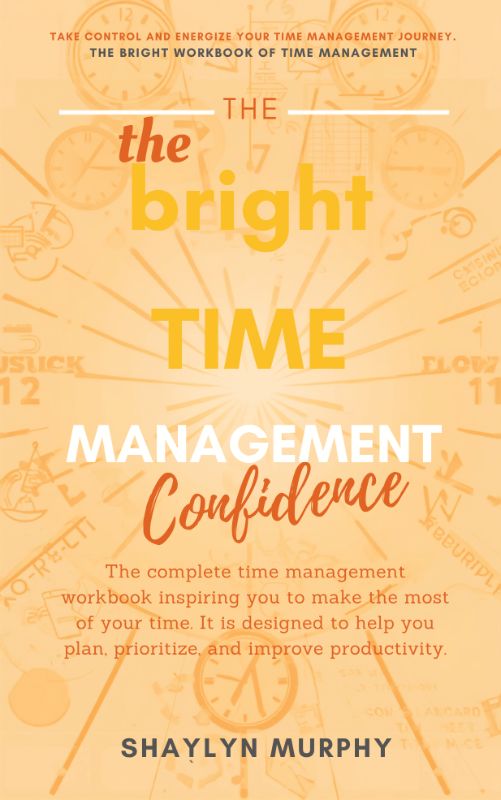
Time is the invisible thread that weaves through the fabric of our lives. It is both our most precious resource and, paradoxically, the one that is most often squandered. The ticking of the clock is relentless, impartial, and unstoppable—yet, for many, time slips through their fingers like sand. The pressure to accomplish more in less time is a defining feature of the modern era, leaving many people overwhelmed, stressed, and perpetually behind. In crafting "The Bright Workbook of Time Management," my intention is to illuminate the path from chaos to clarity, empowering you to regain control of your hours, your days, and ultimately, your life.
The Modern Time Dilemma
Rarely have human beings faced such a torrent of commitments, distractions, and opportunities. Digital technology has connected us in ways previously unimaginable, but it has also fragmented our attention spans and introduced a barrage of constant notifications. Work and personal life bleed into each other, blurring boundaries and making it harder to fully engage in either. The demands of family, friends, work, and self-care seem to multiply even as our free time dwindles.
Tip: If you ever feel like you are constantly busy but not truly productive, you are not alone. Most people struggle with distinguishing between being busy and being effective.
In this world of constant motion, the ability to manage time effectively is not merely a skill—it is a form of self-preservation. Those who master it thrive; those who don’t often find themselves overwhelmed and exhausted. Yet, time management is not about squeezing every minute for maximum output. It is about aligning your actions with your deepest values, making conscious choices, and designing a life that is both productive and fulfilling.
Why Another Book on Time Management?
You might wonder: With so much already written about time management, what makes this book different? The answer lies in our approach. This is not a collection of generic tips or abstract theories. "The Bright Workbook of Time Management" is a practical, hands-on guide designed to transform knowledge into action. Each chapter is filled with:
Realistic examples from a variety of fields and lifestyles
Case studies illustrating both common pitfalls and effective strategies
Exercises and worksheets to reinforce learning and foster accountability
Actionable techniques tailored to different personalities and circumstances
Our goal is to move beyond theory into practice, helping you implement changes that last.
The Bright Philosophy
The foundation of this workbook is the Bright Philosophy—a mindset that views time management not as a rigid system, but as a dynamic, creative process. The Bright Philosophy is built on five core pillars:
Clarity: Know what truly matters to you. Without clear priorities, even the best time management systems will fail.
Intentionality: Make conscious choices rather than reacting passively to circumstances.
Flexibility: Adapt to changes and setbacks with resilience.
Compassion: Treat yourself with kindness. Perfection is not the goal; progress is.
Sustainability: Build habits and systems that support you for the long term, not just in bursts of motivation.
Throughout this book, you will find these pillars woven into every strategy and exercise.
Who Is This Book For?
This book is for anyone seeking to harness the power of time, whether you are:
A professional juggling work deadlines, meetings, and personal aspirations
A student striving to balance studies, extracurriculars, and social life
A parent or caregiver managing family responsibilities and self-care
An entrepreneur building a business while maintaining your health and relationships
Someone in transition, such as a career change or life event, seeking structure amidst uncertainty
Regardless of your background, the methods in this book are adaptable to your unique circumstances.
What You Will Gain
By actively engaging with the material in this workbook, you will:
Identify and clarify your deepest priorities
Analyze how you currently spend your time and uncover hidden patterns
Learn proven strategies to plan, organize, and protect your time
Develop habits that foster focus, productivity, and well-being
Build resilience to overcome setbacks, procrastination, and distractions
Create a personalized time management system that evolves with you
This is not a quick-fix solution. True mastery of time requires reflection, experimentation, and commitment. But the rewards are profound: greater productivity, reduced stress, and the satisfaction of living in alignment with your values.
The Structure of the Workbook
The chapters are organized to guide you step by step from self-awareness to mastery. Each chapter builds on the previous one, combining theory, practical tools, and exercises. You are encouraged to work through the chapters sequentially, but feel free to revisit sections as needed.
The journey begins with self-reflection—understanding your current relationship with time. From there, we move into goal-setting, prioritization, and planning. We explore specific techniques for managing daily tasks, overcoming procrastination, and dealing with challenges such as interruptions, digital distractions, and burnout. Along the way, you’ll find opportunities to apply what you learn through exercises and real-world scenarios.
What Makes Time Management “Bright”?
The term “bright” in this workbook refers to more than just clarity; it suggests energy, optimism, and the capacity to illuminate your path forward. A bright approach to time management is:
Empowering: You are in control of your schedule, not the other way around.
Positive: Time management is not about deprivation or restriction, but about making space for what matters most.
Adaptable: Life is unpredictable; a bright system bends without breaking.
Holistic: True time management considers your physical, emotional, and mental well-being.
Reminder: The brightest days are not always the busiest—they are the ones when you feel most connected to your purpose.
The Science Behind the Strategies
This workbook is grounded in research from psychology, neuroscience, and productivity studies. You’ll find references to:
Cognitive load theory (how our brains manage information processing)
Behavioral economics (why we procrastinate and make irrational decisions)
Habit formation research (what it takes to build lasting routines)
Attention management (how focus and distraction work)
Work-life integration (balancing multiple domains without burning out)
These insights are not just theoretical—they are practical tools for anyone striving to thrive in a demanding world.
How to Use This Workbook
Active participation is key. Think of this book not as a passive read, but as a personal workshop. Each chapter concludes with exercises, prompts, or checklists. Set aside time each week to engage with these activities. Keep a journal or digital document to track your progress, observations, and insights. The more you invest in this process, the more transformative your results will be.
Be honest: Self-assessment is the foundation of change. Confront your habits and patterns with curiosity, not judgment.
Be patient: Change takes time. Expect setbacks, but don’t let them derail your progress.
Be flexible: Adapt the strategies to fit your unique needs and lifestyle.
Common Myths About Time Management
Before we embark, let’s dispel a few common myths:
Myth 1: “If I just find the perfect system, I’ll never feel stressed again.”
No system can remove all stress. The goal is to manage, not eliminate, challenges.
Myth 2: “Time management is about doing more.”
It’s about doing what matters most, not just increasing output.
Myth 3: “Only naturally organized people can manage time well.”
Time management is a learned skill, not an innate trait.
Myth 4: “If I use every minute productively, I’ll be happy.”
Rest, play, and unstructured time are essential to well-being and creativity.
Tip: As you proceed, hold every strategy up to the light of your own experience. What works for one may not work for another.
A Bright Beginning
As you turn the page to Chapter 1, know that you are taking a significant step toward owning your time—and by extension, your life. The journey will ask you to reflect, experiment, and sometimes stretch beyond your comfort zone. But each step brings greater clarity, confidence, and agency.
You have already taken the most important step: deciding to take control. Whatever your goals, aspirations, or challenges, "The Bright Workbook of Time Management" is your companion on the path to a more intentional, joyful, and impactful life.
Let’s get started—your brightest days are ahead.